In Portland, the stone itself was not only used for housing construction but mainly for navigational purposes. Long before the harbour was constructed in 1867, ships were drawn to the island for its stone, which was transported for projects such as St Paul’s Cathedral, while they also navigated carefully around geological formations like Shambles Bank beneath the sea. Over time, this same material began to shape navigation through design, as stone was transformed into harbour walls, breakwaters and lighthouses that guided ships safely into port. In Portland, the landscape itself produces the architecture, and the architecture makes the same landscape legible.
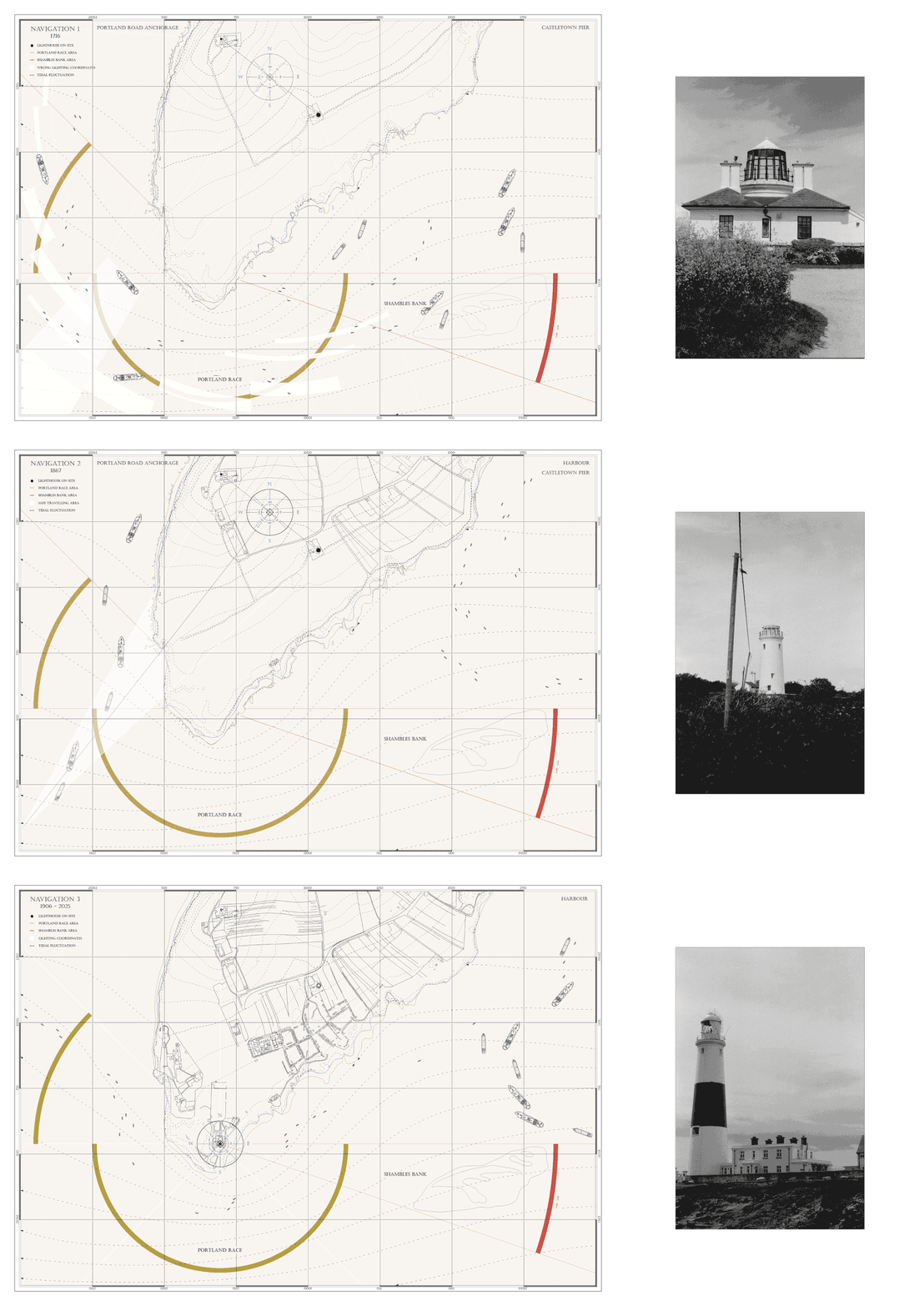
Old Higher Loighthouse, Old Lower Lighthouse, Portland Bill Lighthouse
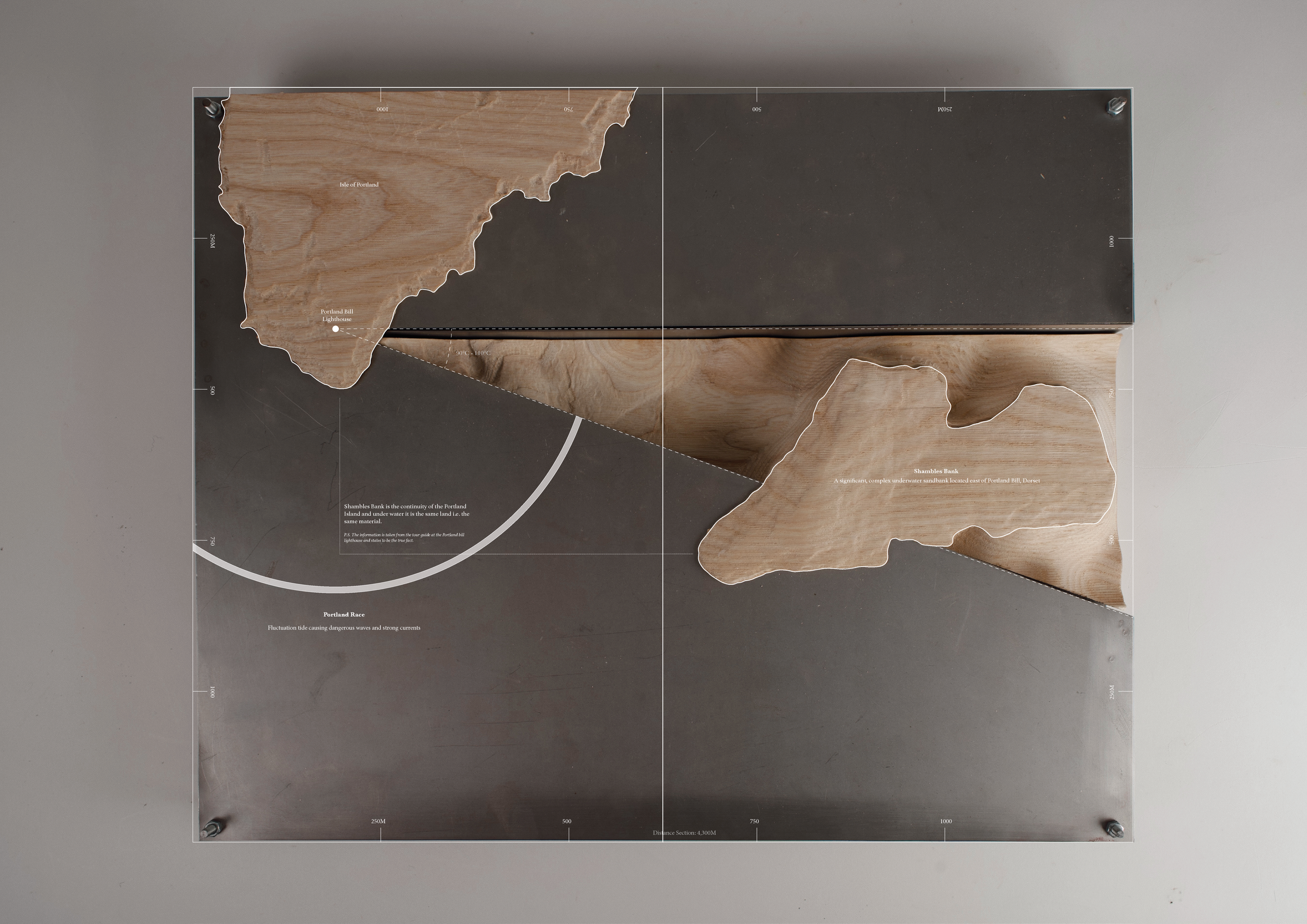
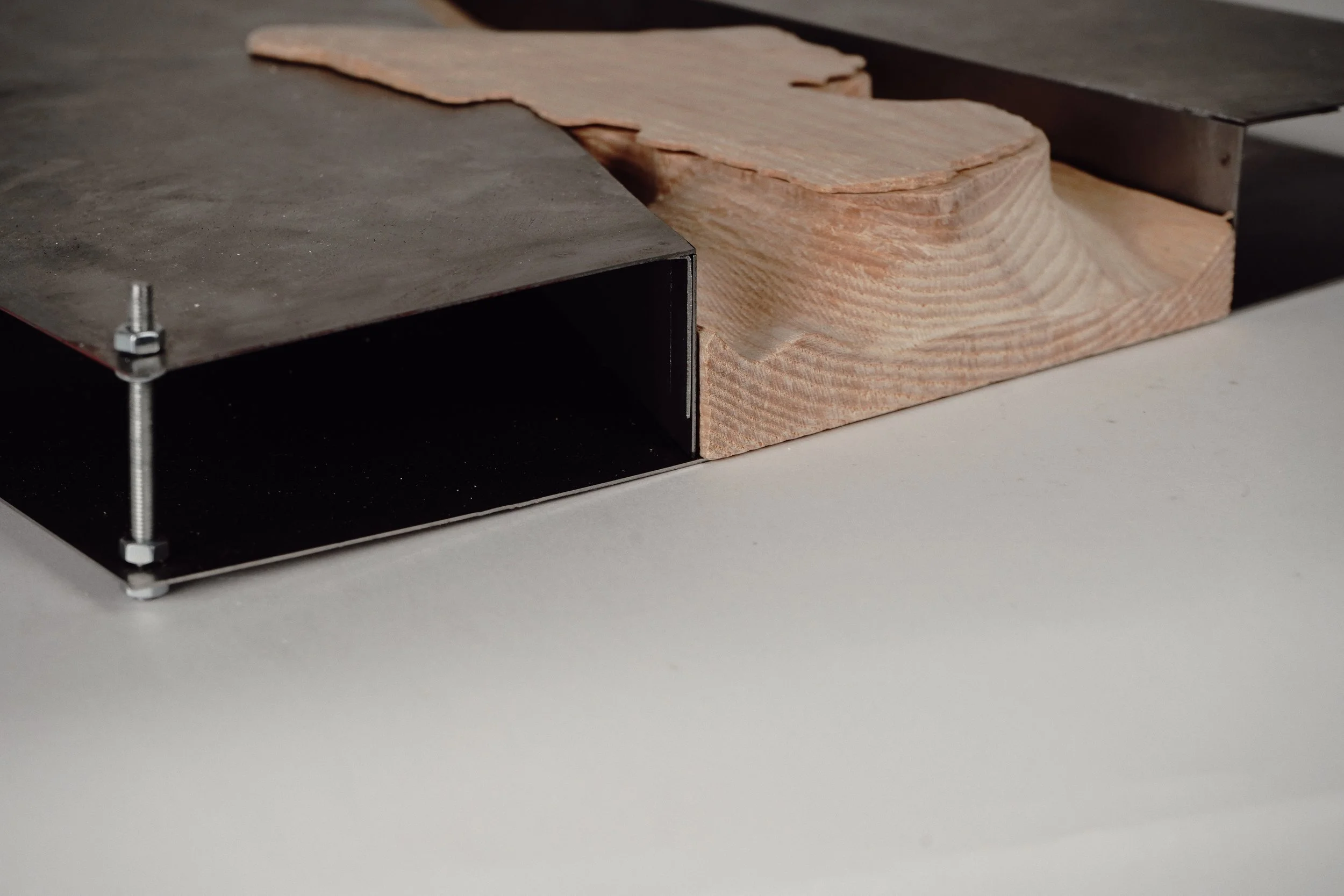
Lighthouses in Portland as a navigational medium from the sea hazards
Lighthouses act like devices that mark the landscape and make it legible. It translates danger into clarity through light and sound systems, allowing ships to navigate conditions that cannot be directly seen. The extended rock as a shambles bank becomes legible through the tool as a lighthouse, almost opening up the water to direct the ships in the right direction.


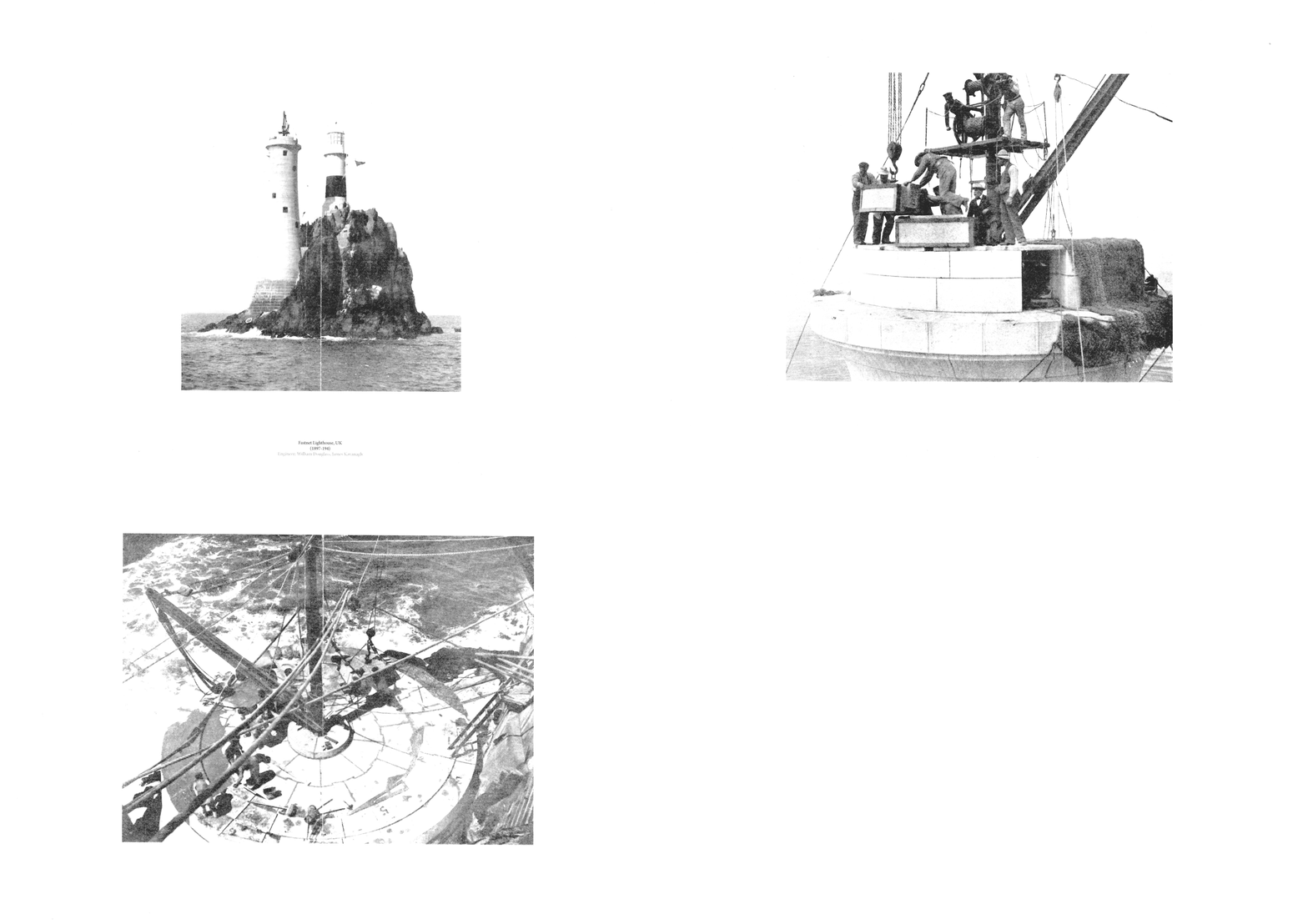
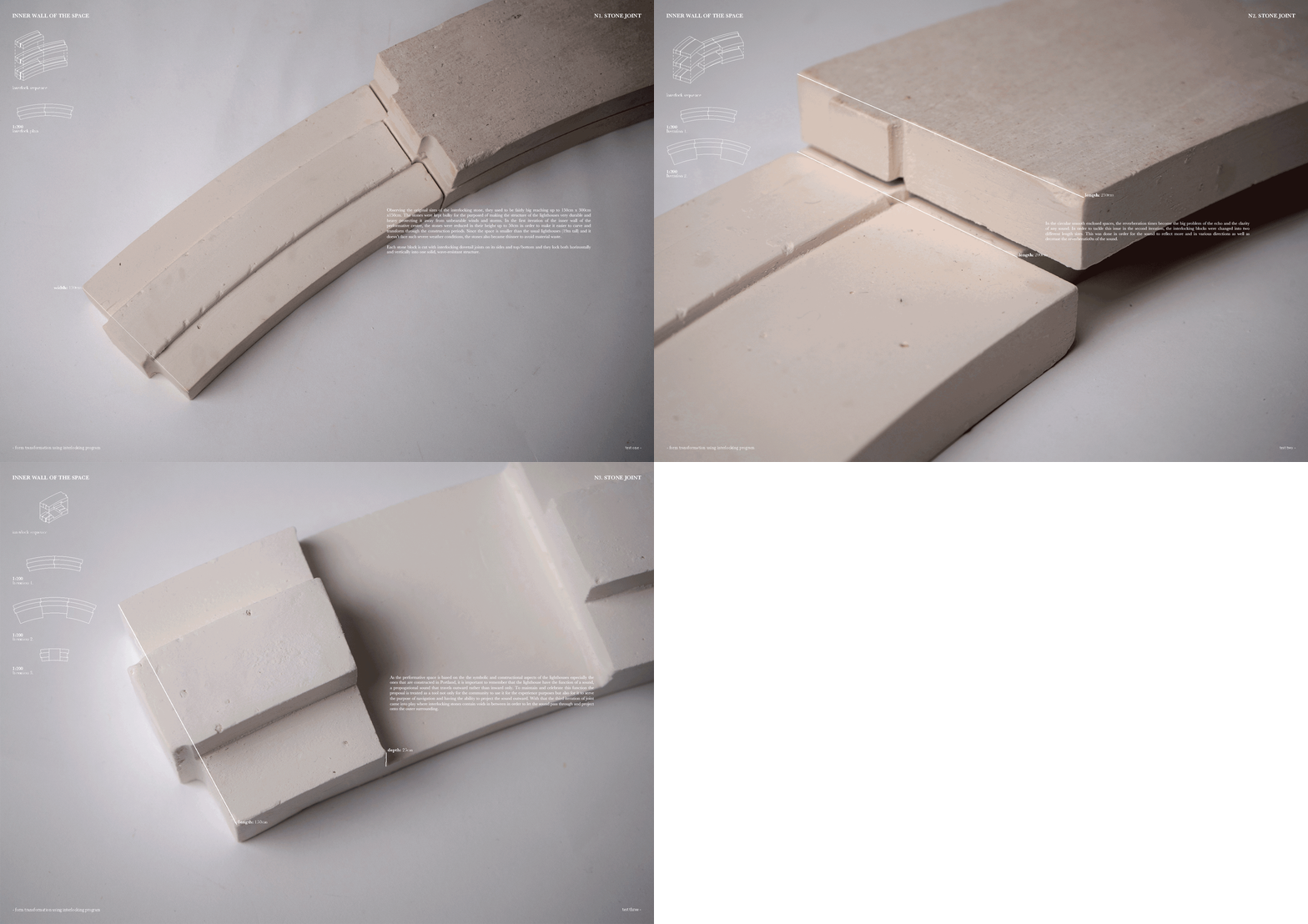
In the time of the Wolf Rock and Eddystone lighthouses, the buildings were constructed from stone using an interlocking system. It is a construction programme that has been forgotten, where stones are carved in a particular geometrical shape to form a closed circle for a very stable and strong base. The other storeys of the lighthouse are constructed from the same programme, but they constantly change the interlock form and the shape according to the changing inner and outer diameters.
`Exploring indoor sound reverberation qualities and the correlation between indoor and outdoor acoustics and how the geometry of the building space can adapt to both.